




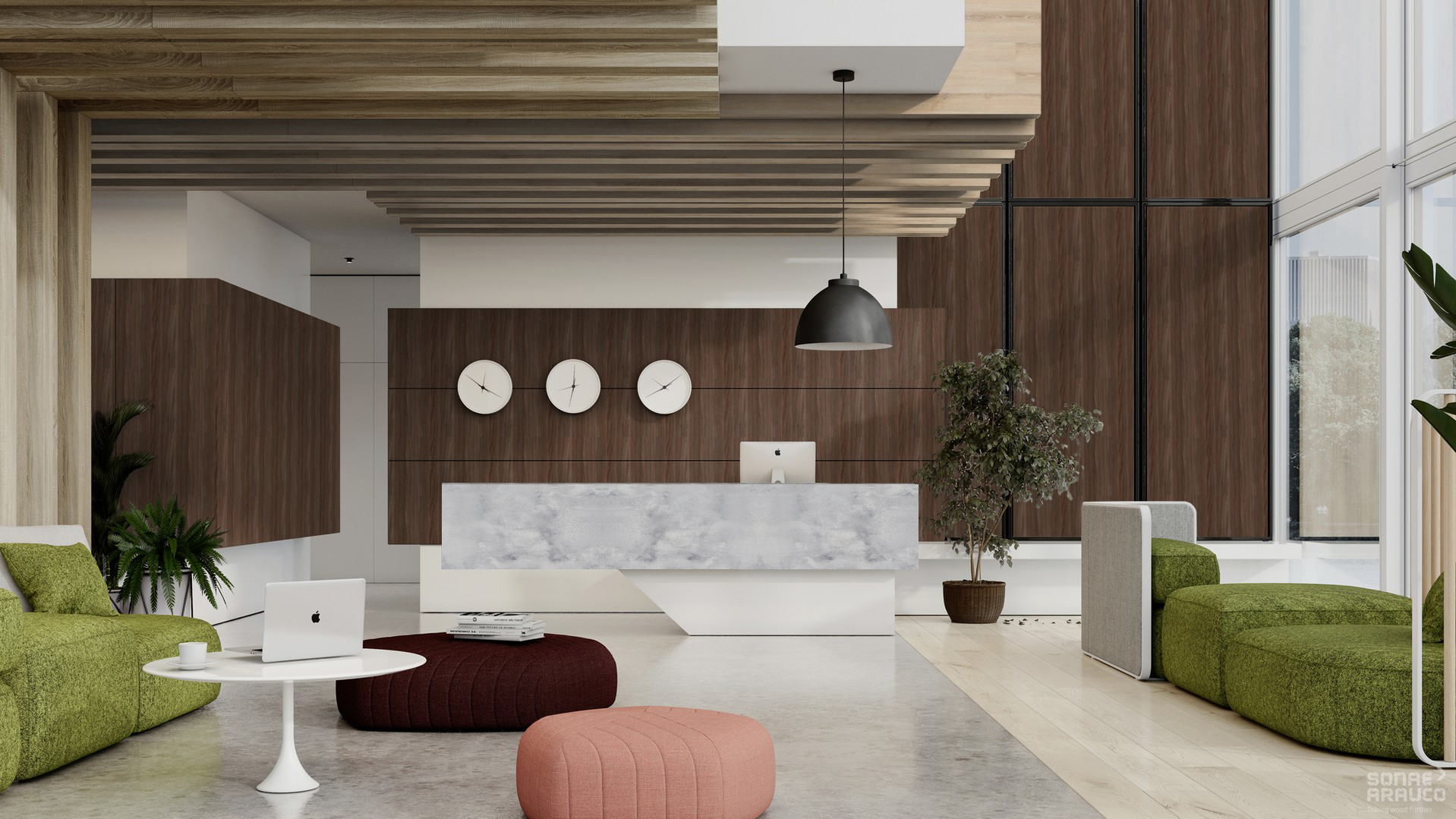
Throughout our series we have been focusing on a professional approach to home interior design, we’ve gone into detail about kitchens, bathrooms, and bedrooms. Touching on each and every aspect of your personal space and the specific approach architects take in order to create functional yet aesthetically pleasing solutions that match modern trends.
Office spaces require an entirely different approach to ensure that they not only match an artistic direction but also meet corporate requirements of the current era in order to remain operational. In this final part of our series, we journey from the home to the office in order to tackle an entirely new environment.
The Architect’s Checklist
When it comes to creating contemporary office spaces, architects understand that one of their responsibilities is a sound grasp on implementing a company’s corporate strategy into its interior design. This includes aspects such as the employees who inhabit these spaces, ethical consumption of natural resources, and profitability for the company overall.
As such, these strategies can be achieved by adopting three specific objectives:
- Objectives that reduce the carbon footprint.
- Objectives that revolve around creating a healthy workspace.
- Objectives that incorporate efficient building design that maximises profitability.
When it comes to a truly unique office space that follows these objectives, some exceptional examples include Silicon Valley-based tech companies like Google and Facebook that include a versatile collection of eclectic interior office design concepts worldwide. Other commercial spaces that incorporate these objectives include and are more centred around public gatherings include the Innovation Centre in Maia, Portugal.
By observing international trends, we take a closer look at these objectives through a professional lens, how to properly implement them, and the benefits of incorporating these methods into any modern office.
A focus on healthy workspaces
When it comes to looking after the health and safety of employees, architects are fully aware that their health is greatly influenced by the spaces they spend a majority of their time in. Human beings spend on average almost 90% of their lives within an urban environment, and thus, these spaces unwittingly play a large role in determining our physical health.
In fact, our social and physical surroundings have a much larger impact on our well-being than our lifestyles, our healthcare systems, and even our genetics. Because of this, a focus on healthy internal office spaces is highly beneficial to people-orientated workspaces that will work to motivate them to be at their best while attracting potential new employees at the same time.
When it comes to incorporating decorative solutions, architects consider the material makeup and whether or not it contains antibacterial properties. This is precisely why Sonae Arauco’s Innovus Decorative Products range is designed to match these requirements and beyond.
Sustainability – Reduction of emissions
The first consideration is envisioning which interior design concepts have the largest impact on the project and how architects can achieve sustainable layouts without the necessity of expensive add-ons down the line. Because buildings contribute to nearly 40% of all greenhouse emissions the primary focus should be cutting CO2 emissions wherever possible.
Expert architects will consider emissions at the conceptual phase because part of reducing a company’s overall carbon footprint starts by incorporating simple yet effective solutions right from the get-go.
One such approach to cutting down on material emissions is by designing an easily adaptable building with both present and future tenants in mind. These will include interior design aspects that make the eventual relocation of a company to new premises a far more streamlined process.
Flexible floor divisions that incorporate meticulous positioning of core structural points, properly sized support spaces, and independent tenant access points will significantly decrease material use as well as emission scores. Increased flexibility in interior design should also take future building additions into consideration.
The next biggest step is finding creative ways to reduce energy consumption. When it comes to modern highly functional buildings, a consideration of their access to solar orientation is crucial. Based on the outcome of those findings you will then be able to explore the building’s materiality and answer questions such as how much glazing will be needed for solar panelling and heat transference.
Envisioning efficient building design that maximises profitability
While ensuring employee wellbeing and effective low emission designs are paramount, a tertiary focus on profitability is equally vital. Companies may attain higher profit margins by either decreasing development costs or by increasing the individual developer’s income in order to add greater value.
While decreasing your operational costs may produce short term cost benefits, the latter option of paying for more experienced and savvy architects has far-reaching benefits. One such strategy by expert architects involves structural optimisations of the grid that reduce material requirements.
The core or structure of the building takes up a fair amount of steel and concrete which have a massive carbon footprint. To reduce these materials, architects opt for the utilisation of cantilevered slabs for the perimeter as opposed to columns. This strategy allows for sleek dimensions that save on edge beams and enlarge the space overall.
This strategy, if properly implemented, can save up to 15% on structural material as well as improve construction efficiency thanks to a streamlined geometric layout. Moreover, designing your building utilising a column-free perimeter allows for a multitude of interior design applications in and around the building.
Final considerations
Designing a building that is functional but also serves as a sanctuary to the people that inhabit it is important for a sustainable working environment. Concepts like bringing the outside in by incorporating biophilic principles can make all the difference.
Office buildings with large windows that allow rays of natural light, as well as exceptional exterior views, make for spaces people want to spend their time in. Architects are aware that buildings with deep floor planning can ostracise employees and can even cause negative health issues.
When a building is designed to incorporate a variety of natural elements it goes a long way in softening the rigidity of a corporate environment. The key to melding healthy environments with profitable ones is by implementing more of these aspects since green spaces often form hubs for socialising and a reprieve from stressful careers.
Read our previous Architect’s Guides for home interiors here:
Part 1 – The modern Architect’s approach to kitchen creation
Part 2 – The modern Architect’s guide to bespoke bedroom interiors
Part 3 – The Architect’s path to fashioning sublime bathroom interiors
For more information on our wood-based decorative panels and services, visit us at https://www.sonae.projects.coppertable.co.za/