




News

Eco-friendly cleaning products to use in the kitchen
Eco-friendly cleaning products are ultimately healthier for you and for the environment, as they are biodegradable, use sustainable packaging and minimise water pollution.
When it comes to household cleaning products, especially kitchen cleaning products, there are many eco-friendly options available from brands that don’t test on animals or use harmful chemicals, microplastics or microbeads in their products. After all, who wants to use harmful chemicals in the same place in which you prepare your food?
When it comes to cleaning your kitchen, there is a myriad of eco-friendly cleaning products from which to choose from. Here are some eco-cleaning products which can be used to replace traditional cleaning products in your kitchen, along with amazing local brands that supply them:
Floor cleaner
Multi-purpose and safe for greywater and water systems, eco-friendly floor cleaners favour using natural ingredients and are biodegradable.
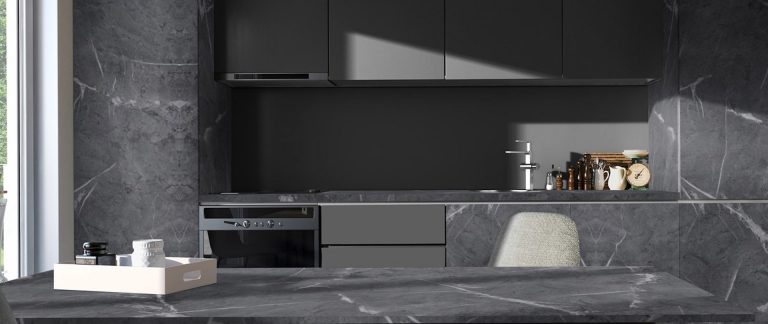
Kitchen design: What you should know
Designing a kitchen requires achieving cohesion between your vision and functionality and, as such, there are certain elements which one should keep in mind when coming up with the perfect kitchen design:
Smooth workflows
This is where work zones come into play, to create the ideal space. Creating an optimal workflow dictates that you’ll need to consider the 5 zones which make up a kitchen, namely: consumables, non-consumables, cleaning, preparation and cooking; to help you create an optimal workspace. According to Blum’s Dynamic Spaces, when designing and arranging the kitchen it is crucial that you take into consideration who will be using the space. Based on that information, you either arrange the zones (in the order in which they appear above) either clockwise, if the person is right-handed; or anti-clockwise, if the person is left-handed.
Get the right storage
...

Four interior design trends with a South African twist.
South African and – by extension, African – designs, stand out because of their unabashed originality, bright colours, dynamic energy and their love of contrast. These features make such designs popular throughout the world and so, in honour of Heritage Day, we’ve put together four 2019 interior design trends that have an innovative South African-inspired twist.
Bold, bright colours
There is vital energy to South African colour palettes with rich yellows, burnt oranges and reds paying homage to our spectacular sunrises and sunsets, indigo blues to a cloudless sky, while earthy browns are reminiscent of fertile soil. 2019 has seen a rise in the popularity of using bold, bright colours in interior design. This is especially true for the popularity of the colour yellow; which people have been using to add pops of colour to their spaces. Choosing bold traditional, South African-inspired colours – especially yellows – for the home is an excellent way of taking an international design trend and adding a South African twist.

Green building standards: five tips to help you meet the requirements
Here are five useful tips to follow to help you meet the requirements:
Design, construction and management
In order to meet with green building standards, you would need to adopt certain prescribed principles throughout the duration of the project and included in your building design, its construction and operational management. This includes designing the building with heat reduction, maximisation of natural light and air circulation in mind.
Energy efficiency
In order to meet the green building standards, set out by GBCSA (Green Building Council South Africa) and the NBRBS (National Building Regulations and Building Standards) green building codes, you would need to ensure that your building achieves a reduction in energy consumption as per EDGE or SANS 10400-XA guidelines; as well as promoting the reduction energy generation pollution in the form of greenhouse gas. This can be achieved by utilising renewable energy sources.
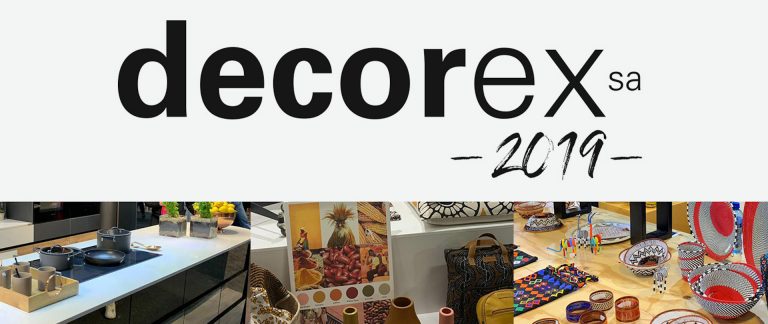
Innovative and inspirational design at Decorex Johannesburg
This year Decorex Johannesburg paid homage to the African spirit with its theme ‘Designing for Africa – feels like home’; transforming the space with an abundance of dynamic African-inspired designs and patterns, leaving no doubt that many of the designers had been influenced by their African roots. The theme showcased the best in local and global innovation; however, it shone a spotlight on our talented local designers who displayed work which captured the coalescence between traditional African and contemporary design, making a clear statement about Africa’s place in the international world of design.
With 6 halls to explore and exhibitors showcasing everything from product and furniture design, textiles, lighting and wallpaper. There was even a wine and bubbly bar to ensure that no one went thirsty.
One of the highlights of the event was the exciting installations one could visit, including the Instudio Trend Theatre which had talks from a number of industry experts, including an exciting talk by award-winning designer Stephen Falcke. Acclaimed designer Donald Nxumalo’s curated space for the Decorex Designer Spotlight captivated visitors with its patterns and bold colours, which perfectly embodied this year’s theme and placed an undeniable spotlight on the talent we have in this country.
All in all, Decorex Johannesburg 2019 was a feast for the eyes and a sensory overload. Full of vibrant colours, patterns, people; the event provided endless inspiration for anyone interested in design and décor, professional or not. It was great to see the innovation and creativity of local and international designers and design companies, as they keep on top of the trends in the constantly changing and evolving world of design.
We would like to thank the following companies that displayed our products at Decorex:
Cozi Living – Oxyde
Sariga Kitchens – Metro
Ukinox – Urban Steel
Task Interior Styling – Sahara
Hotesse Luxury Buffetware – Oxyde
ACDC Dynamics – Sahara
...
Spring Interior Design Trends – What to expect…
As we wave the cold and sombre winter season goodbye, why not elevate your home with these exciting new decor trends?
Clean Lines
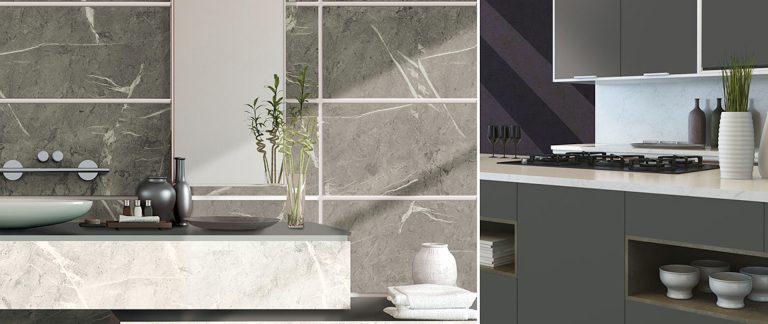
Spring and summer interior design trends are more to the point than any other season. Clean and fuss-free trends undeniably call for simple lines in kitchens and bathrooms interior design.
Velvet fabrics are back
...
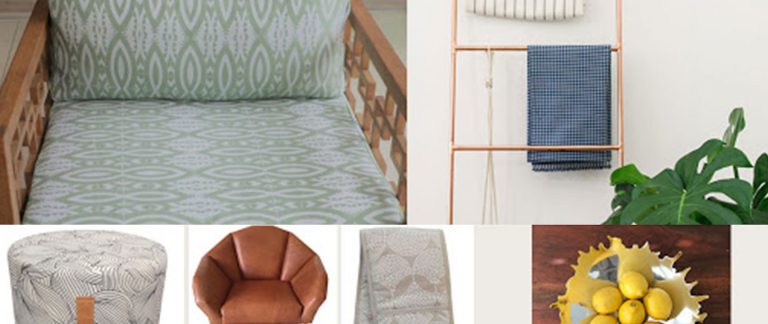
Showcasing South African female designers
South African designers are becoming trailblazers in the décor industry. These talented women are pushing the boundaries of design, making our spaces more beautiful and functional.
Read below about and make them your next choice when redesigning your kitchen, bedroom or home space.
Josie Hardy – Banc Handcrafted
Take a look at Josie Hardy’s furniture design, she is an up and coming furniture designer from Durban. Showcasing her collection of furniture, small coasters, wall hooks and sofas. Click here to find out more about Josie Hardy and see some of her works. https://www.sahomeowner.co.za/we-meet-josie-hardy/

FSC Certified – Caring for our Forests
If a product is labelled “FSC Certified,” it means that the wood used in the product and the manufacturer met the requirements of the Forest Stewardship Council. The Forest Stewardship Council (FSC), is a non-profit organization that sets high standards to ensure forestry is practised in an environmentally responsible and socially beneficial manner. The FSC certification is considered the “gold standard” designation for wood harvested from forests.
Why You Should Consider FSC-Certified Furniture
Forests cover 30% of the global land area, according to the FSC. Formerly rich forests in countries such as Indonesia, Malaysia, and Brazil, are being depleted at an unprecedented rate. At current rates of deforestation, the remaining biodiversity-rich natural forests in South American, Asian, and African countries could disappear within a decade.
FSC Logo
...

Women Inspire Sonae Arauco
In a tough, previously male-dominated industry like fashion, the deciding factor for success for women often comes down to the balance between hard and soft skills in the workplace. Women are known for striking this balancing act effectively and the women at Sonae Araco are no different.
What are soft skills?
Soft skills can, in essence, be defined as our emotional intelligence and our abilities to interact well with others. A survey presented by SMB World found that nearly 72% of CEO’s believe that soft skills are more important to the success of their business than hard skills.
Women are changing the world!
...
E1 certification – Should you be worried about Formaldehyde ?
What is formaldehyde?
Formaldehyde is found in resins used in the manufacture of composite wood products like particleboard (PB) and medium-density fibreboard (MDF) and oriented-strand board (OSB). Formaldehyde is also found in common household products like glue, paints, dishwashing liquids, fertilizers and many more and can contribute to asthma by causing irritation to the lining of the nose and throat. The good news is that off-gas of formaldehyde is strongly regulated by a series of standards.
Environmental certifications and what they mean:
In 2000, the European Panel Industry set forward a series of standards regulating the amount of free formaldehyde a wood-based panel can give off. In order to qualify for the standard, manufacturers must submit samples of the panels they produce to independent laboratories. These laboratories put the panel samples in a chamber and measure the amount of formaldehyde emitted into the air in parts per million (ppm). Depending on the amount of formaldehyde measured panels may be classified as E1, or E2. Always look for either of these ratings while shopping for wood-based products.