




News

Innovus and New Press Launch: a huge success
Our program for the afternoon included speeches by a number of distinguished guests, including Sonae Arauco South Africa CITO Dionne Harber, Sonae Arauco CEO Rui Correia, Sonae Arauco South Africa CMSO Robin Kuriakose, Sergio Espadas The Trade Counsellor at the Portuguese Embassy, Manuel Carvalho Ambassador of Portugal in Pretoria; as well as the MEC for Finance and Economic Development and Tourism – The Honourable Pat Ngomane.
After the speeches, it was time for the Ribbon Cutting Ceremony, which saw the Honourable Pat Ngomane cut the ribbon.
Our guests were then taken on a walkthrough tour of the brand-new line, which included taking a look at the state-of-the-art components of our Dieffenbacher melamine press, including the strapping line, caul sheets, the press, the paper loading area, the paper storage area, the high bay, press hydraulics, the infeed and outfeed and the loading zone.
After the tour, our guests got to enjoy some delicious food and drinks and take some time to do some networking.
We then announced the renaming of our Novolam Collection into ‘Innovus’, which is our global brand. While we will not be bringing the full Innovus range to South Africa – we hope that by introducing the range here, we will be able to bring innovation and fashion into this country faster than ever before. We will be rolling out Innovus throughout the course of 2020.
...
R220m upgrade allows Sonae Arauco to introduce Innovus range
The significant investment is testament to Sonae Arauco’s commitment to South Africa, where the company has had a local presence since 2000. The upgrade will allow the company to introduce exclusive and innovative new materials to the local market from its latest Innovus collection.
The upgraded facility will also give Sonae Arauco the flexibility to be able to press niche products on-demand, in accordance with specific customer requirements. This will reduce stock holding, which poses the potential of product being damaged or ageing if stored too long.
Pressing on-demand translates into reduced lead times for customers. Sonae Arauco Chief Sales and Marketing Officer Robin Kuriakose comments that local customers will now have access to additional decorative melamine-faced finishes only available in the European market to date.
“We want to introduce more of these finishes locally, and hence the major investment in the White River facility, which can now be benchmarked against the best on the continent, as well as globally,” Kuriakose highlights.
...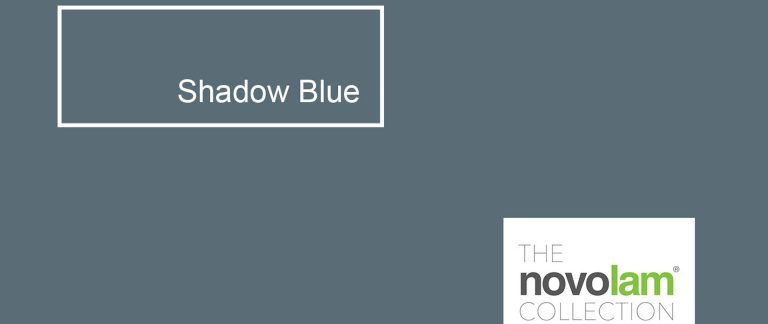
Introducing our NEW Shadow Blue – Unicolour wood-based decor
The Shadow Blue unicolour décor is characterised by its single, cool colour; an understated yet crisp, blue-tinted tone which in turn would make it a somewhat soothing and subtle addition to the décor of a room.
Our Shadow Blue unicolour décor is available in both the Textured and Silhouette finishes, enabling you to choose whether you’d prefer the authentically tactile feel of the linear-embossed Silhouette finish or the smooth, polished feel of the Textured finish.
Read more on our previous article here
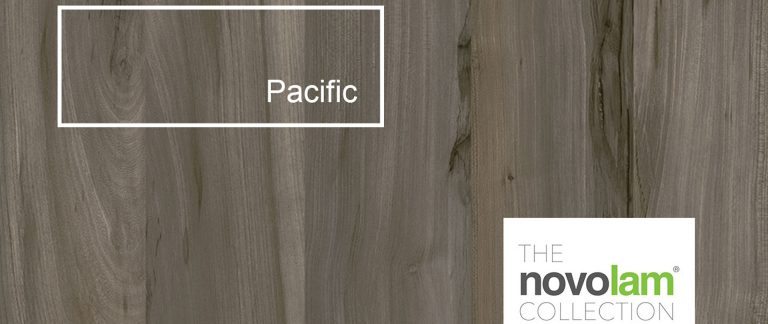
Introducing our NEW Pacific wood-based décor
What makes the Pacific Woodgrain truly stand out is its gently weathered and textured appearance that is reminiscent of driftwood, giving it a more laid-back and whimsical feel. The natural, sea-like colour tones of the Pacific Woodgrain make it the perfect décor to complement summer décor and a wide range of colour palettes.
Our pacific woodgrain is available in both our Textured and Silhouette finishes, giving you the choice between the two contrasting tactile experiences – whether you’re looking for tactile and authentically wood-like feel of the Silhouette finish or the silkily smooth feel of the Textured finish.
Read more on our previous article here
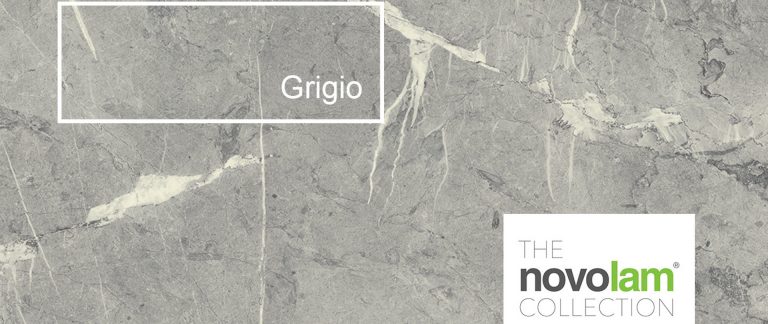
Introducing our NEW Marble wood-based décor: Grigio
A versatile décor that is identical in all but colour to the Nero and Bianco, Grigio is distinguishable thanks to its exquisitely subtle grey colour which is masterfully punctuated with white marbled veins. Grigio has an undeniably sophisticated air thanks to its authentically marbled appearance, making it a striking addition to any interior. It’s light, neutral tones enable Grigio to complement most colour palettes. Due to its similarity to the Nero and Bianco, Grigio can easily be used in conjunction with these décor.
Our Grigio décor is available in our highly tactile Stucco finish, which gives it a truly authentic stone-like appearance and feel.
Read our previous article here
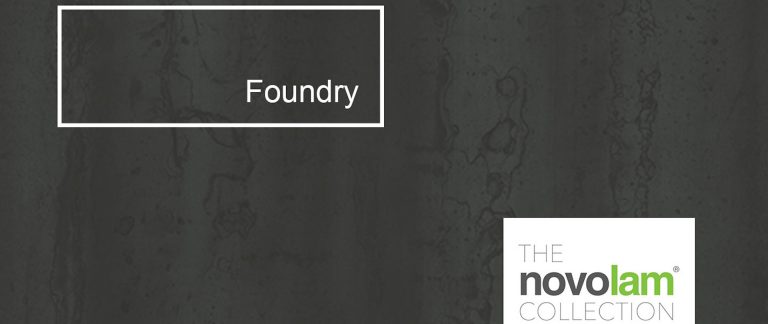
Introducing our new Foundry decor
The deep, grey colour of Foundry is almost tempestuous in appearance, giving it a unique industrial appearance that makes it an essential addition to any modern home and guarantees that it will be a feature in any room.
This versatile décor works well with most colour palettes and is available in our wonderfully tactile Stucco finish, which is inspired by industrial environments and gives the décor a textured appearance which is reminiscent of naturally exposed metal.
Read our previous article here
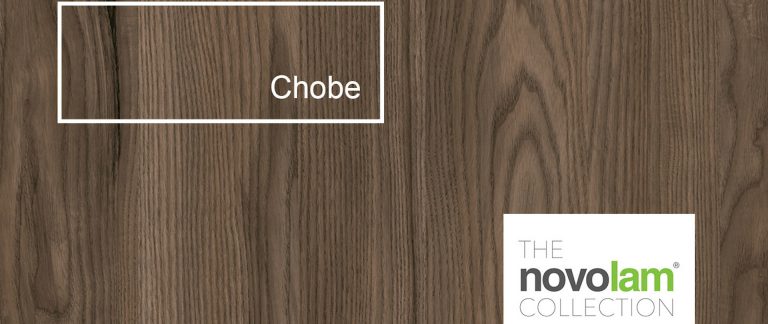
Introducing our NEW Chobe Woodgrain Decor
The Chobe Woodgrain is available in two stunning finishes, whether you’re looking for the naturally appealing smooth surface of our Textured finish or the authentically tactile feel of our linear embossed Silhouette finish.
Read more on our previous article here

Maximise natural light in your spaces
There are many ways in which a designer can ensure that a room or interior receives the maximum possible amount of natural light and optimises the way the natural light is used. With that in mind, here are some of the innovative ways in which one can maximise the natural light in a home’s interior:
Add glass sliding doors, windows or skylights to bring in extra sunlight
A great way to introduce more natural light into a space is to install skylights, additional or new windows or enlarge existing windows. Installing any of these in a home will allow sunlight to stream into the home’s interior, maximising the amount of natural lighting the space receives. A skylight is a particularly good option as it is upward facing, meaning that it faces the sun and as a result will flood the space below with natural sunlight, throughout the day.
When installing new windows, sliding doors or a skylight, one should take into account the direction in which they face, as this can affect the type of sunlight the space receives and how long the space will get natural sunlight during the day. In the Southern Hemisphere, North-facing windows receive direct sunlight while South-facing rooms only receive indirect sunlight.
Choose light or bright paint for the walls and ceiling
In order to maximise natural light in a home’s interior, it is important to consider what colour the interior walls are painted. Darker colours absorb light and can make a room appear darker, while lighter colours are an excellent way to reflect natural light back into the interior, especially in rooms that receive a limited amount of natural light. Painting walls a lighter colour can complement natural light in a space and painting the ceiling a lighter colour, usually white, gives the room the illusion of greater depth and makes it appear lighter and airier.
Use glass or glossy, reflective tiles
Glass or glossy, reflective tiles are a great way to increase the natural light in a room as they reflect most of the light that hits them, which in turn enables them to illuminate the room in the process.
Keep the glass clean
Oftentimes glass gets dirty, especially when it comes to hard-to-reach windows and skylights; and this, in turn, prevents sunlight from fully streaming through. Dirty windows, skylights and sliding doors will ultimately cause the space to receive duller, muted light which in turn would result in a darker interior. Ensuring that the glass of the windows, sliding doors and skylights is always clean, in turn, ensures that the home’s interior will receive the maximum possible amount of natural light.
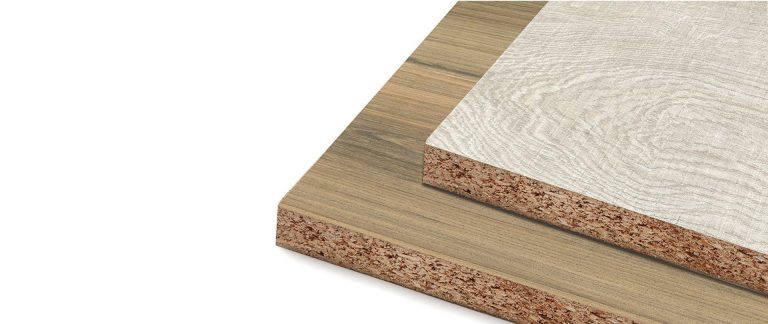
Maintaining melamine boards
Melamine boards are simple to clean and maintain, usually requiring very little in order to remain in tip-top condition. It is very important, however, that the correct methods for cleaning and maintaining the boards are used, as incorrect cleaning or maintenance can ultimately damage the boards.
Cleaning correctly
The first and most important step in order to properly maintain melamine boards is cleaning them correctly. When it comes to cleaning the boards, it is recommended that you give the board a preliminary wipe down using a circular cleaning motion, in order to remove any excess dust. You can either do this with a soft, dry cloth or with a cloth that has been dipped in methylated spirits. Once you have removed the dust you can then clean the board with a damp cloth and water or a mild detergent/dishwashing soap that has been diluted with water. You can put your water/detergent mixture into a spray bottle so that it is easy to evenly apply to the board. Once it has been applied you can use the cloth to clean it.
Once you have cleaned the boards, it is important to thoroughly dry it off so as to prevent any excess moisture from remaining on the board which could result in mildew or mould.
Know which cleaning products to avoid
It is extremely important to use the correct cleaning products when it comes to maintaining melamine boards, as certain commercial cleaning products can cause damage if used to clean boards. Cleaning products containing organic solvents such as ammonia, bleach, acetone, turpentine, etc. should be avoided; as well as abrasive cleaners, scouring pads and abrasive papers.
Protect your boards
Melamine boards, especially ones which are located in busy rooms such as kitchens, are at risk of being damaged. It is important to be aware of the damage that melamine boards can sustain if exposed to steam, cooking oil vapor, water and sunlight. Being aware of the boards, especially when handling sharp kitchen utensils, and avoiding leaving water to puddle on them for long periods of time, can help prevent them from sustaining damage. Installing an extractor fan in your kitchen or bathroom can also help remove some of the cooking vapour and steam that may potentially cause damage to the boards.
It is important to keep these points in mind when cleaning and maintaining melamine boards, so as to ensure that they last longer and remain in good condition.
Visit the KSA website for more information about melamine board maintenance https://www.ksa.co.za/downloads/KSA-Care-and-Maintenance-Document.pdf
Read more on our previous article here
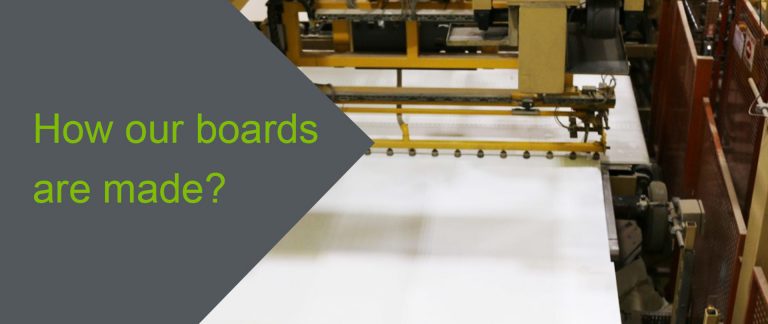
How our boards are made
We manufacture two different types of board substrates, namely Particleboard and Medium Density Fibreboard and our board-making process is something that we have fine-tuned to perfection over the years.
- Our boards start off as sustainable timber (pine and eucalyptus). Once the trees have been felled, round logs and offcuts are chipped and then combined with sawmill waste, which is a mixture of wood chips and sawdust.
a. The manufacturing of Medium Density Fibreboard differs from Particleboard in that wood fibres rather than wood particles are used to form the board. This is achieved by softening wood chips through a refining process in order to form a wood fibre pulp that is lightweight, finely textured and fluffy in appearance.
b. The wood fibre pulp is then pressed and forms a distinctive homogeneous substrate characterised by its extremely smooth surface and creating a board that is higher in density and weighs more than Particleboard. - The combined mixture of chips and sawmill waste is then prepared in order to make it suitable for the board manufacturing process which occurs later in the process. Two types of preparation occur, namely:
a. Wet preparation – which sees the material pass thro...