




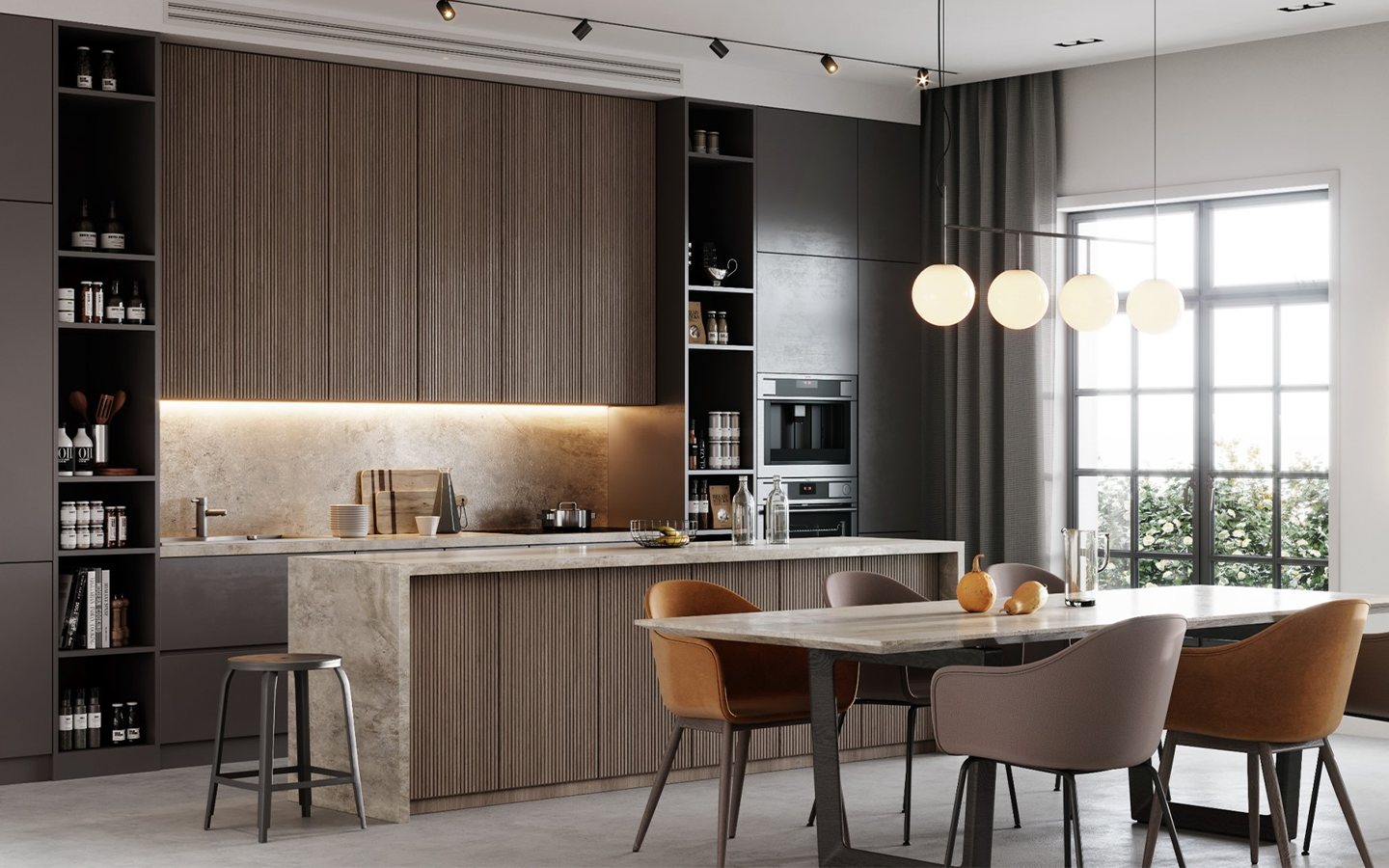
A popular design trend of the late 20th century, the post-modern style reached the pinnacle of its presence during the years of the 70s through to the 90s. In essence, the post-modern style had a straightforward objective: to liberate interior design themes from mid-century and modern aesthetics.
Post-modern style incorporates everything bold, vibrant, quirky, and complex to enhance one’s home and make it stand out from the rest. Why was this exuberant and sporadic design style so successful? Was it because it starkly contrasted with what paved the way before it? Many might say that postmodernism is poised for a comeback.
The rebirth of post-modern design
Post-modern styles are also easy to incorporate into both minimalist and maximalist appeals. Modern homeowners seek comfort as they spend more and more time at home. Being able to embrace one’s unique flavour and style choices is optional. Adding moments of colour and transforming the plain and ordinary into a space that enhances your lifestyle is the new norm.
In the heyday of post-modern style, design features entailed an opposing view to mid-century norms and embraced unconventional, form-before-function cues to make up its elements. In present-day design, one is likely to see bold and vibrant colour schemes arrive at the forebear. Yet unlike the themes of the late 20th century, post-modern revival compromises a much more subdued aesthetic and is easier to implement into contemporary homes.
How does one incorporate post-modern design into contemporary themes?
The post-modern style maintains a sense of timelessness due to its flexibility. You have the option to incorporate it into several themes and spaces, provided you adhere to the following rules:
- Choosing form over function
The postmodern era had little concern over respecting norms or the forms and functionalities of a certain piece. Instead, the focus on expressionism took centre stage. Homeowners applying this style are encouraged to utilise items and accessories that showcase their interests and speak to who they are.
Decorative items should not be restricted. Instead, focus on featuring a diverse collection of craft revival and historical elements and blend them with comfortable furniture with artistic flare. Think diversity – find the beauty in contrasts and design contradictions.
- The use of irregular shapes
Furniture, table stands, and accessories of irregular forms, vibrant colours and unique designs form the basis of a post-modern appeal. Heavily inspired by pop culture and contemporary trends, a piece must stand in contrast to what one would expect yet still meet one’s needs and desires.
As much of the post-modern artistic movements opposed modernism, furniture design followed suit and stood in opposition to all previous movements. To incorporate this into your home, consider adding an oddly shaped yet vibrantly coloured coffee table against the backdrop of a muted and neutral colour palette.
- Memphis moments
Popularised by the Memphis Group/Memphis Milano’s unique approach to pop culture and irregular décor, “Memphis Moments”, as they’re known, seek to employ pop-culture references into everyday design. To complete a post-modern look and feel, one should include vibrant pieces to break the mould. It could be as abstract as funky colour schemes or a more specific adherence to popular themes. Such as a Game of Thrones-inspired dining table.
- Saturated colours against muted shades
As bold and enticing shapes and colours inspired the original movement, a contemporary interpretation of post-modernism advises one should stray from the norm. To achieve this, interior designers use bold shapes but muted colour palettes to offer a softer and more balanced appeal.
Consider incorporating shades such as Shadow Blue or Castle Grey into your backdrop while utilising eccentric accessories. To this end, Innovus Decorative Products’ unicolour range offers a host of solid tones for bold and enticing applications and tonal yet muted colour schemes. See more of our range here.
A successful post-modern revival designer wants your eyes to wander around the room. Take a step back and truly see every element of the space you’ve created. It’s less about impressing your guests and more about leaving them intrigued by your style and encouraging conversations.
For more information on our wood-based decorative panels and services, visit us at https://www.sonae.projects.coppertable.co.za/