




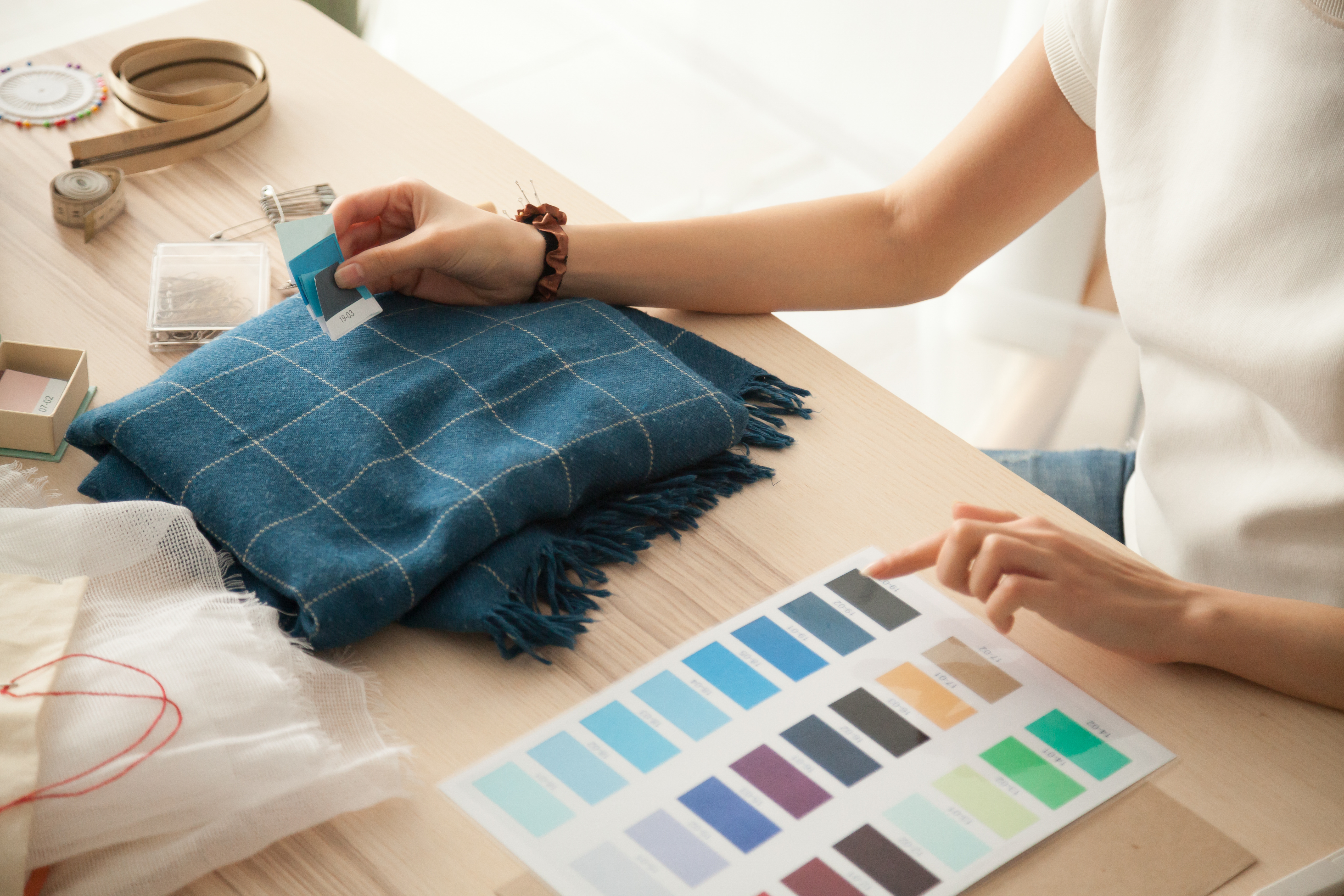
When it comes to interior design, choosing the correct colour palette can make or break a room. When choosing the colour palettes, it is important to look at how colours complement or contrast each other and the space that they’re in. Including too many contrasting, vibrant colours can make a room look too busy, while a completely neutral look can feel empty and without character.
Sonae Arauco has recently released our new range of decors and we’ve put together a few tips to help you find the perfect colour palettes to pair them with.
Grigio
Grigio is a timeless, cool and grey marble-inspired woodgrain which has an undeniable air of sophistication. Due to its cool grey colour, you can’t go wrong in pairing it with neutral colours such as white, grey and greige; as well as darker shades of grey and charcoal. Grigio has cooler undertones which means that it favours complementary cool tones as opposed to beiges and other warm colours. Colours which work well when paired with Grigio include traditionally cool colours like soft blues, seafoam greens and purples.
Chobe woodgrain
When it comes to pairing colours to an oak-inspired woodgrain like Chobe, it’s important to take note of its warmer undertones. In order to accentuate these boards, you should look at incorporating colours that are either lighter or darker than your wood, so as to stop them from blending together. Soft whites and light greys are an excellent choice to complement the slightly darker woodgrain, especially if you want to add a fresh, light atmosphere to the room. Warmer neutrals like beige and taupe will pick up the warm undertones in Chobe for a more understated look; alternatively, cooler neutrals like greige, can be used to neutralise that warmth. The natural grains in the Chobe would work well with earthier tones such as muted reds, greens, browns, greys and beige; while brighter warm colours like yellow and orange could end up clashing with the warm undertones. If you’re looking to add a pop of colour to the room, look at adding a splash of cooler bright colours like cherry red or teal.
Foundry
The Foundry woodgrain is distinguished by its industrial rawness. When working with a décor like foundry, designers will often favour pairing it with neutral colours such as whites and greys in order to highlight the raw nature of the woodgrain. Foundry is characterised by contrasting colour gradients which make it almost stormy in appearance, however it is these contrasting colours which make Foundry so versatile to work with. The blue undertones enable cooler colours such as blue and charcoal to complement Foundry; while the presence of the rusty brown veins means that warmer colours such as rich browns, mustard yellows and muted reds can also be paired with this woodgrain.
Pacific woodgrain
The Pacific woodgrain has a uniquely driftwood-like appeal, mixed with bluish undertones that make it the perfect companion to a cooler colour palette. Cooler colours such as greens and blues have the ability to create a soothing atmosphere within a room and can complement the woodgrain’s cooler ocean-inspired undertones. Pair the Pacific woodgrain with neutral greys, off-whites and greiges; while for some colour, look at incorporating sea-inspired colours like sea greens and blues. Other colours which can complement the Pacific include refreshingly cool colours such as true greens, grey-greens, blues, teals, violets and purples.
Shadow Blue
Shadow blue is a soothing and steady colour, which makes it an excellent pairing for more traditional white and cool grey colours. The subtlety of shadow blue makes it an excellent background colour for a room, leaving you with lots of opportunity to introduce other more standout colours into your décor. Colours which can complement shadow blue include navy blue and deep brown.
Use these tips to find the perfect colour palettes to complement our exciting new range of woodgrain panels.
Read our previous article here